Core conclusions:A food machinery company in Yantai used Arabic marketing and precise invitations before the Dubai exhibition to develop 8 Middle Eastern customers a year, with an annual order volume of 1.2 million yuan, and the exhibition ROI increased by 300%.
1. Customer background
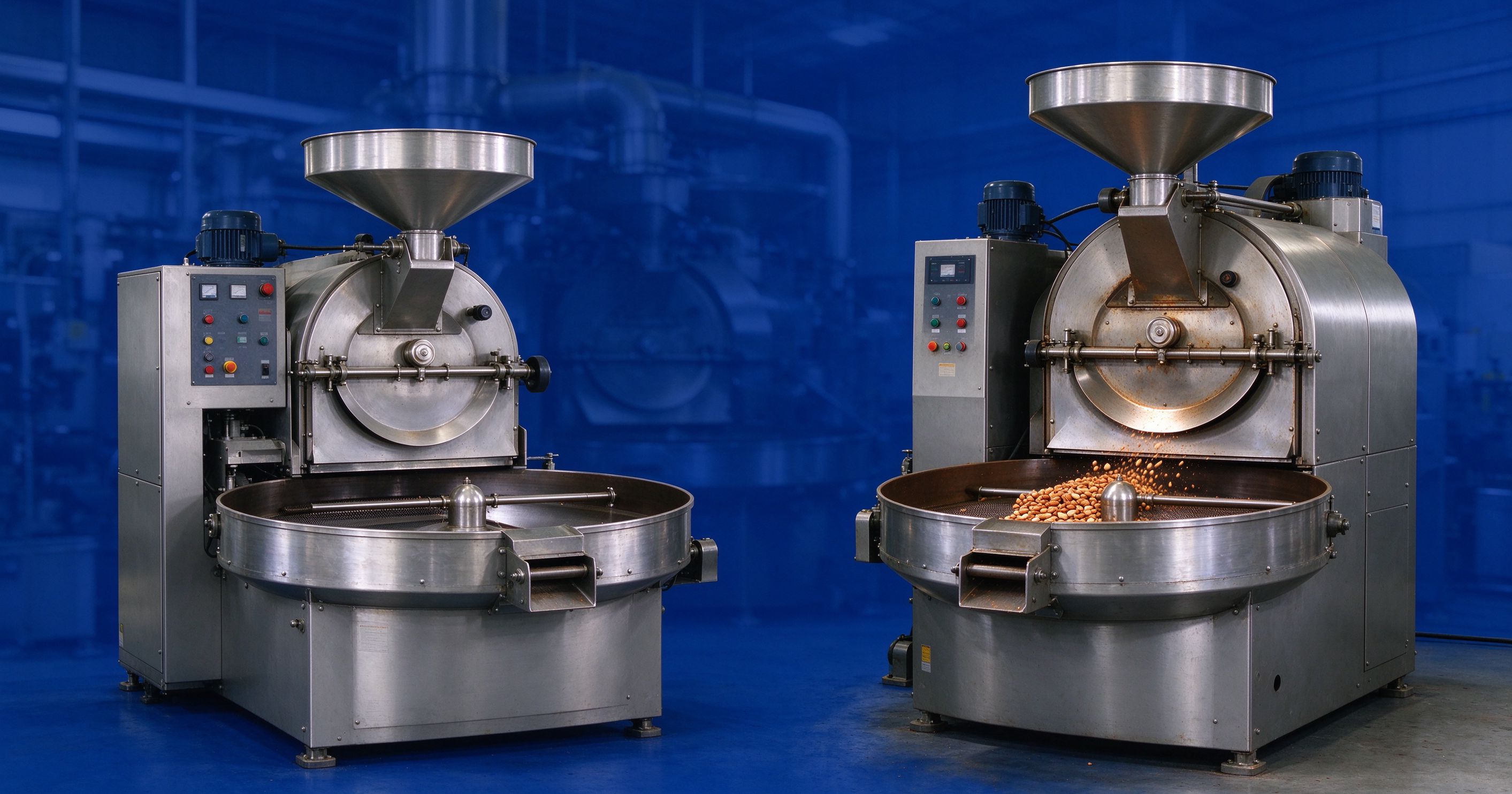
A food machinery company in Yantai, Shandong Province mainly specializes in nut processing equipment and baking equipment, including roasting machines, huskers, sorters, ovens, etc. The factory is not large in scale, but its R & D capabilities are pragmatic. The products are mainly cost-effective. The price is much lower than that of European equipment with the same processing capacity. The after-sales response is also fast. Engineers can directly guide customers on video debugging. Previously, the company mainly worked in the domestic market, and its customers were domestic nut processing factories and food factories. Competition in the domestic market is fierce, prices are being pressed very low, the profit margin of a set of equipment continues to narrow, and customers are concentrated in several production areas, which is also risky. The boss judged that the nut consumption market in the Middle East was growing and there was a need for upgrading processing equipment, so he turned his attention to the Middle East. However, the company has never done foreign trade. Arabic, local certification, and exhibition gameplay must all start from scratch, and even ask in what currency the quotation will be settled in.
2. Problem diagnosis: Why does the original path fail?
There are four things that are most likely to get stuck when food machinery is exported to the Middle East.
The first is language. The English proficiency of customers in the Middle East varies, and many small and medium-sized processing factory owners are more accustomed to communicating in Arabic. Only English development letters were sent, but the response rate was very low, and the salesperson's efforts were basically wasted.
Second, channels. A large part of the search for equipment by Middle Eastern companies rely face-to-face, with exhibitions and introductions from acquaintances dominating. Online alone makes it difficult to build trust, and customers will worry that if there is a problem with the equipment, they will not be able to find anyone.
Third, operation and after-sales. Equipment sold in the past requires installation, debugging, and training. If the operating manual is in English, it will cost customers to get started, and subsequent communication will easily cause problems, which will directly affect repurchase and reputation.
Fourth, investment in the exhibition is not focused. Companies have been to exhibitions before, but they always "show up before the exhibition and talk about it." There were no invitations before the exhibition. Whoever they met during the exhibition relied on luck. Follow-up after the exhibition was not timely. A lot of money was spent, but the transformation was very limited.
Therefore, this business cannot just rely on "sending letters" or "going to the exhibition to try your luck". It must combine "language localization" with "undertaking before and after the exhibition" to form a complete link.
3. What have we done?
Four sets of actions were taken around the two principles of "speaking the customer's language and making the exhibition practical":
- Data screening from food processing plants in the Middle East covers about 2000+ nut and food processing companies, stratified according to production capacity scale and equipment type to ensure that the customers contacted are really likely to purchase.
- Arabic development letter plus WhatsApp marketing. When writing development letters in Arabic, the response rate has been significantly improved;WhatsApp is the most commonly used communication tool in the Middle East. When using it for instant answering and follow-up, customers feel that they are chatting business with people around them.
- Precise invitation before the Dubai exhibition. Target customers were contacted one month before the exhibition, and about 20 intended customers were targeted before the exhibition, turning the exhibition into an "scheduled meeting" rather than a "chance". Every hour of the booth was used on the cutting edge.
- Translation of equipment operation manual in Arabic. Translate the operation, maintenance, and troubleshooting manuals into Arabic to reduce the cost of starting customers and reduce the cost of after-sales communication, laying the foundation for subsequent repurchase purchases.
4. Execution rhythm
Month 1: Data and content preparation
Completed the screening of customer data in the Middle East, produced Arabic development letter templates and equipment information, and finalized WhatsApp communication skills to ensure that salespeople can use them as soon as they ask and will not get stuck due to language and speaking skills.
Month 2 to Month 6: Continuous online reach
Arabic development letters and WhatsApp follow up at a pace to accumulate a pool of intended customers. The focus of this stage is to clearly understand the customer's processing category, production capacity demand, and budget range, and prepare for subsequent exhibition invitations. Before the exhibition, the customer list and needs were basically clear.
Month 7 to Month 12: Exhibition acceptance and order placement
Before the Dubai exhibition, 20 prospective customers were locked in and meeting times were agreed one by one. The exhibition site was efficiently connected and follow-up continued after the exhibition. In the end, 8 Middle Eastern customers were developed within one year, with an annual order volume of 1.2 million yuan, and the exhibition ROI increased by 300% compared with the past.
V. Outcome data
Within 1 year of this case:
- Developing Middle Eastern customers:of 8
- Annual order amount:1.2 million yuan
- Exhibition ROI: Improvement300%
- Customer repurchase rate:50%
6. Which factories can this method be replicated to?
It is suitable for factories with "small and medium-sized machinery and equipment, high customer unit prices, and customers rely on on-site experience and after-sales", such as food machinery, packaging machinery, wood processing equipment, small production lines, etc. The judgment criteria are: the product requires installation, debugging and training, the customer decision-making cycle is long, and the target market has concentrated industry exhibitions. The key to this kind of business is to connect online clues with offline exhibitions. If the product is a standardized small consumables, the focus is not on exhibitions and manuals, but on online batch customer acquisition and supply chain efficiency.
7. Common questions
Q: Is Arabic development really more effective than English?
A: In this case, the response rate has been significantly improved after the letter was developed in Arabic, especially for small and medium-sized Middle East processing plants. English letters can be retained and used for large-scale Middle Eastern companies with full-time foreign trade teams. The two lines can cover more comprehensively in parallel.
Q: Will customers be willing to attend before the exhibition?
A: The premise is that there has been a period of online communication before the exhibition, and the customer has a basic understanding of your equipment. The 20 intended customers targeted in this case have all talked about their needs and read information before the exhibition. The exhibition only promotes online relationships to offline, and customers are naturally willing to come.
Q: Do I need to find a professional translator for equipment manual translation?
A: Mechanical manuals involve a large number of professional terms. It is recommended that people who understand equipment first sort out the glossary and then hand it to Arabic translators for translation to avoid operating ambiguity. This step can reduce the cost of subsequent after-sales communication and make customers feel that this supplier is serious about long-term business. In addition, the prototype demonstration at the exhibition site is equally critical. It allows customers to see the operating effects of the equipment on the spot and trial processing on the spot. It can build confidence more than any paper materials and make it easier to promote subsequent technical communication and quotation negotiations.
