Core conclusions:In this case, the German industrial and commercial data of a machinery and equipment exporter in Qingdao, Shandongcustoms dataCross-screening exhibition channels with low substitution effects, 3 German industrial customers were sold in 6 months, with an average annual order volume of 850,000 yuan.
1. Customer background
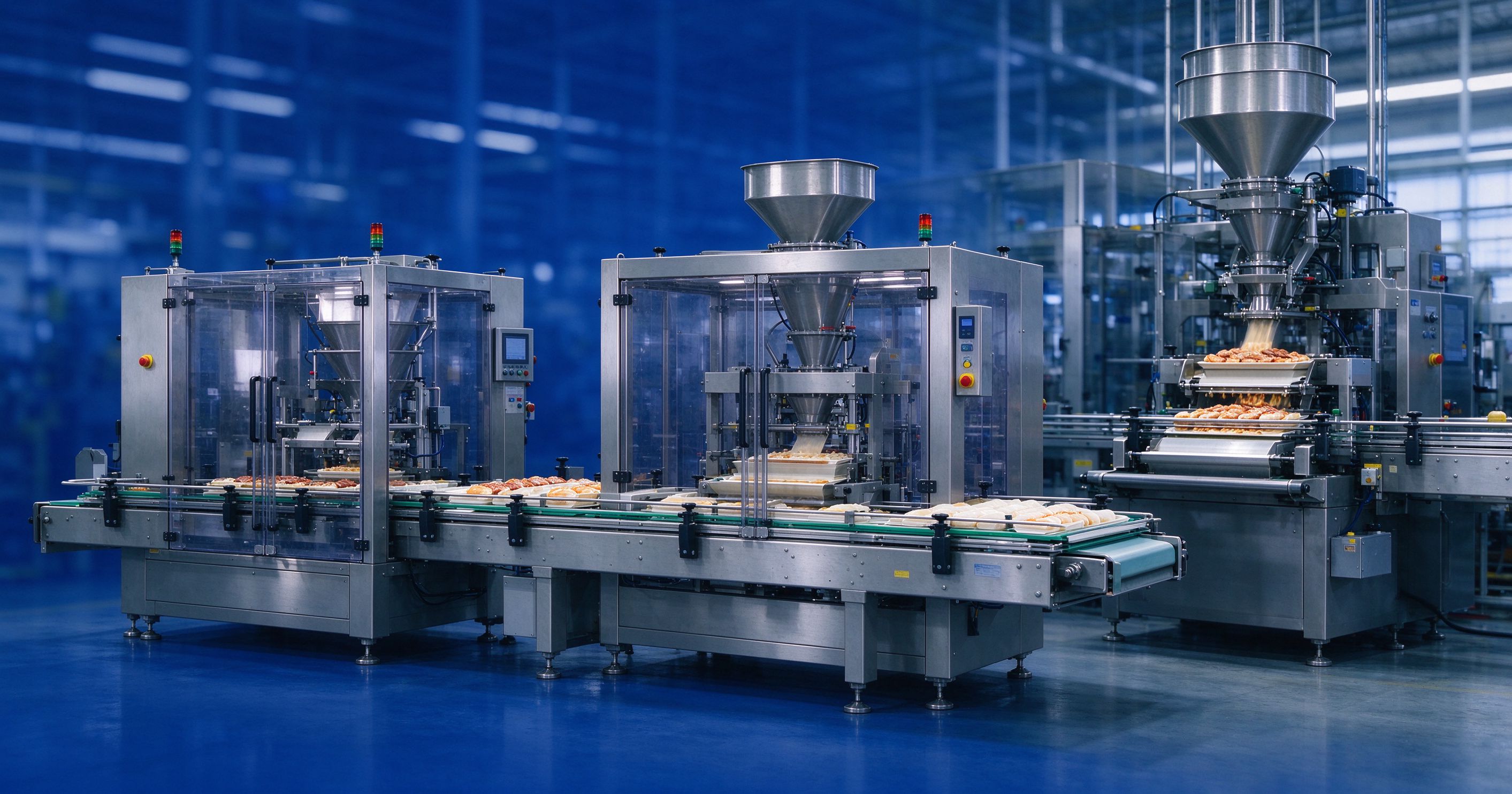
A machinery and equipment exporter in Qingdao, Shandong Province mainly specializes in packaging machinery and food processing equipment. Its products have clear technical thresholds and are not universal standards. Previously, the factory relied almost entirely on exhibitions to find customers. It participated in 4 exhibitions a year. The total cost of booths, construction, prototype transportation, and personnel travel was hundreds of thousands, and the investment was considerable. The problem is that the effectiveness of the exhibition is declining year by year: more and more colleagues and agents are present, there are fewer and fewer real terminal procurement decision-makers, and follow-up after the exhibition often ends in vain. The boss hopes to explore the German high-end industrial market. The reasons are that the German food processing industry has a high degree of automation, a clear equipment update cycle, and strict quality and certification requirements-high thresholds, but once entered, customer stickiness and repurchase performance are significantly better than low-priced markets.
2. Problem diagnosis: Why does the original path fail?
First, the exhibition is a one-time event.The exhibition is only for a few days, and the flow of people is concentrated at a specific time. There is little chance for customers to come to you with clear needs. Most of them are general understanding; there is no continuous follow-up mechanism after the exhibition, and the clues naturally evaporate.
Second, there is a language threshold in the German market.German industrial procurement requires strict technical details, certification documents, and delivery terms. Communication using English-based template development letters can easily be screened out in the first round.
Third, the decision chain is unclear.Equipment procurement in German food factories usually involves multiple roles such as production, technology, procurement, and compliance. It is often impossible to push the project if only one person is found, and the decision-making chain needs to be clearly understood in advance.
Fourth, insufficient backtone leads to waste of communication.If you don't understand the other party's existing production line configuration, production capacity scale, and equipment brand in use, it will be difficult for what you say in the development letter to hit the real pain points, and you can only stay on a general self-introduction.
3. What have we done?
1. Cross-screening of German industrial and commercial data and customs data
Cross-compare the two sets of data to locate German factories with real import records and belonging to the food processing industry, and prioritize screening targets with signs of production line transformation or expansion. The purpose of this is to narrow the "potential customers" to "customers who are purchasing relevant equipment."
2. AI German Development Letter Generation
Generate German development letters according to German business communication habits: go straight to the topic, give priority to technical parameters, do not exaggerate, and clearly provide a list of verifiable materials. German procurement has a low tolerance for exaggerated marketing language. The more restrained it is written, the more credible it will be.
3. LinkedIn targets purchasing managers
Target the technical leaders and purchasing managers of the target factory on LinkedIn as a supplementary channel to the development letter. The value of email and social dual channels is that even if the email is ignored, the other party will still see information about the same company on LinkedIn, forming cross-verification and reducing the sense of distrust among "unfamiliar suppliers."
4. Multilingual translation of technical documents and localization of CE certification materials
Localize technical documents and CE certification materials in German. The transformation effect of this step is very direct-German customers usually ask to see certification documents and technical specifications before formal communication. Complete information and standardized presentation are prerequisites for entering the next round of communication.
4. Execution rhythm
Month 1: Create list and prepare data
Complete cross-screening of German industrial and commercial data and customs data to determine a priority contact list; simultaneously complete the German localization of technical documents and CE certification data. This month's output is not reflected in the number of inquiries, but it determines whether communication can be smooth in the next few months.
Months 2 to 3: Reach and Response
German development letters are sent in batches in sequence, and LinkedIn promotes them simultaneously. The overall response pace of German customers is slow, and many replies are "seen and saved first." The key at this stage is to prepare all the information, receive technical questions and answers, and not put pressure on sales because German industrial procurement is disgusted with pressing orders.
Months 4 to 6: Samples, factory inspection and contract signing
Customers who entered substantive communication began to ask for prototype parameters, video factory inspections or third-party testing data. Finally, three German customers were settled, all of whom were well-known local food factories, with an average annual order amount of 850,000 yuan, and all signed annual framework agreements. The changes after half a year are: exhibition costs have been reduced by 70%, factories no longer need to fly to Europe every year to participate in exhibitions, and the method of obtaining customers has changed from "people waiting for the exhibition" to continuous targeted access throughout the year.
V. Outcome data
- Deal German customer:of 3, are all well-known local food factories
- Average annual order volume:850,000 Yuan
- Exhibition costs: reduce70%, no longer need to fly to Europe every year to participate
- Customer repurchase rate:60%, all three customers signed annual framework agreements
To explain, the above are the actual results over a 6-month period in this case. German industrial customers generally have a long decision-making cycle, and the transaction pace in this case does not represent the general level of all categories.
This case also shows one thing: for high-threshold markets like Germany, the speed of customer acquisition is not entirely determined by the means of contact, but more determined by the level of data preparation. Only when the information is complete, the expression is standardized, and the parameters are verifiable will the customer change from a casual look to a serious conversation. The transformation of this step is the prerequisite for all subsequent transactions.
6. Which factories can this method be replicated to?
This method is suitable for factories with "products with technical thresholds, high customer unit prices, and clear requirements for certification and specifications in the target market", such as packaging machinery, food processing equipment, industrial spare parts, testing instruments, and automation components. The core ability is the depth of data preparation and backtracking, not the budget. However, if the product is a low-unit price standard product and the customer decision-making chain is short, this method is over-investment-in that case, using lighter customs data development and social media outreach will be more efficient.
7. Common questions
Q: Do I have to find native German speakers to write German development letters?
A: The approach in this case is to use AI to generate the first draft, and then have the technical statement reviewed by people familiar with German business habits. If German is written correctly in grammar but used incorrectly in business habits, German customers will also treat it as an advertisement, so the review step cannot be omitted.
Q: German customers respond so slowly, how can we judge whether the value is worth following?
A: It mainly depends on whether the other party raises specific technical questions and takes the initiative to request information or prototype parameters. Customers who are obviously interested in this case all have one common characteristic: they will ask questions about specific specifications. If you only reply "Thank you, keep in touch", the priority can usually be lowered.
Q: Will brand exposure be affected if there is no exhibition?
A: The exhibition is still valuable, but its role is more like a centralized endorsement than a main channel for customer acquisition. In this case, it is not zero exhibitions, but the investment in exhibitions has been greatly reduced by 70%, and the saved resources have been invested in targeted development and content and material construction. The overall customer acquisition has been more stable.
