Core conclusions:A white porcelain tableware and home decoration porcelain enterprise in Dehua, Fujian Province, has reached an export volume of 4.3 million yuan in 15 months based on a 90% domestic trade and a nearly zero foreign trade team. The market is concentrated in Chile, Peru, and Colombia. There are 11 contracted dealers. The trial order conversion rate is 61%, and the damage and packaging rate has dropped from 2.3% of the first order to 0.6%. The core of this method is not to grab traffic, but to complete the three things in order: compliance information first, place of origin discounts are fully utilized, and dealers are layered to distribute goods.
1. Customer background
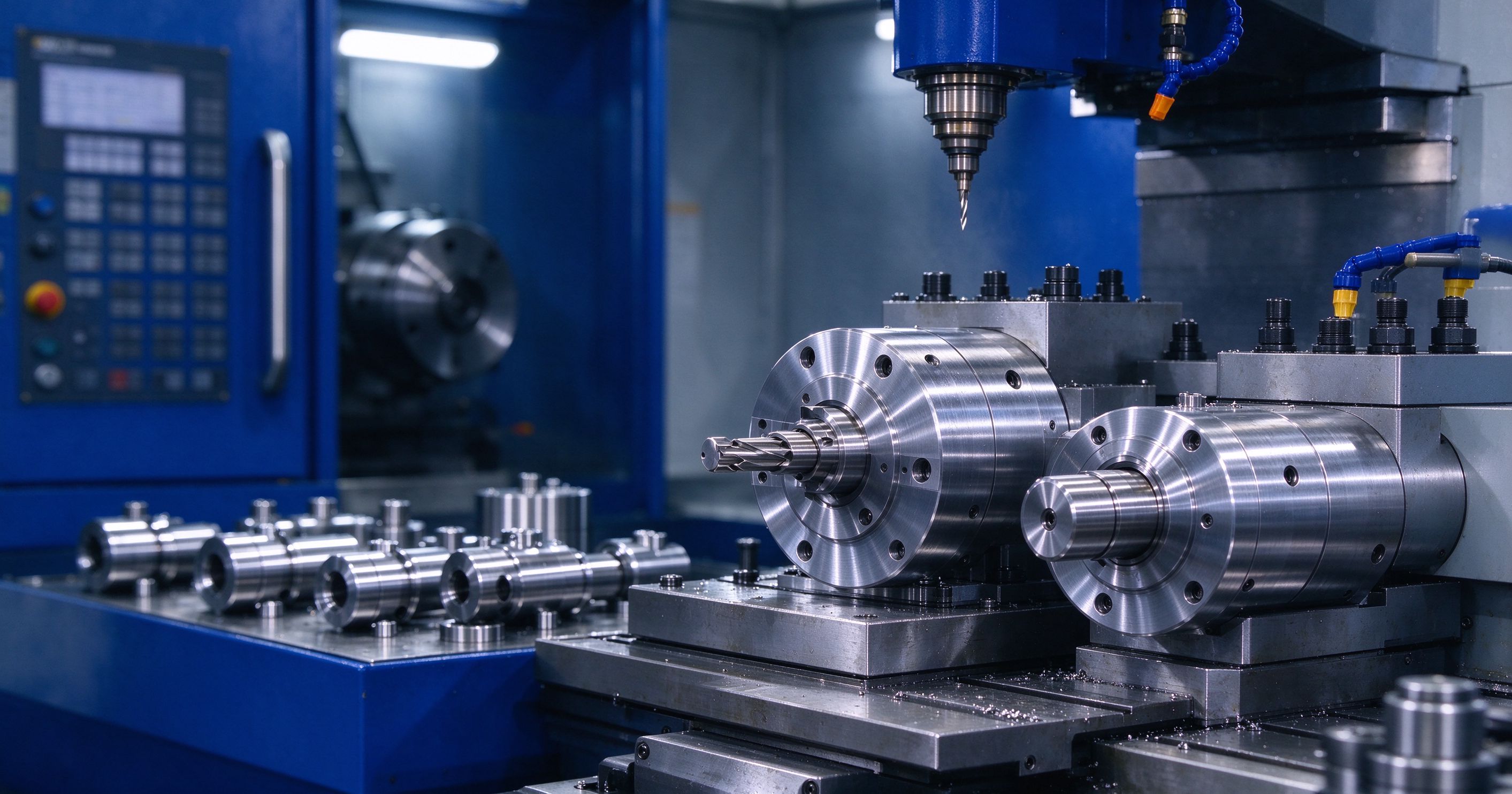
The customer is located in Dehua, Fujian, making white porcelain tableware and home decoration porcelain, and has two kilns with an annual output value of approximately 26 million yuan. It is mainly domestic sales and has long supplied domestic e-commerce platforms and hotel channels, with domestic trade accounting for more than 90%. The company has a stable kiln mouth and skilled blank repair and glazing teams, and can accept orders for small batches and multiple styles. This is its most tangible advantage over traders.
In 2025, a customer tried foreign trade once: he opened a store on a B2B platform and sent a development letter. In 8 months, only one transaction was completed with an amount of 18,000 yuan; this line was completely shut down after the salesperson who could read and write English left. The boss's request is very direct: he no longer invests more money on the platform, but hopes to find a way to speak based on the product.
2. Problem diagnosis: Why didn't it pass in the previous 8 months
- Category does not match platform.The competition for ceramics on the English site of the universal platform is extremely fierce. The customer unit price is low, the volume is large, and the damage rate is high. It is almost impossible to make a profit through direct mail in small packages.
- The information is not for overseas buyers.At that time, there was only a machine translation version of the Chinese product brochure, no test report, no Spanish label, buyers could not judge food contact safety, nor could they be sold directly on shelves.
- Wrong target market.We only focus on the English-speaking market and ignore the stable demand for decorative porcelain and daily porcelain from buyers in the Spanish-speaking region. The competition intensity of suppliers in the Spanish-speaking region is significantly lower than that in North America.
The fourth and most fundamental point:The channel only waited for inquiries.The store is open and development letters are issued, but there is no buyer list or dealer policy. This means that the initiative of acquiring customers is handed over to the platform's traffic allocation.
3. What have we done?
- Use customs data to back-check the real importers of ceramic tableware and kitchenware (under HS codes 6911 and 6912), and screen out the target list according to import frequency, amount per container and purchase cycle
- Market redrawing: lock in Chile, Peru, and Colombia, and proactively avoid the high certification threshold of the North American Red Sea and the European Union
- Compliance data first: Conduct lead and cadmium dissolution testing of food contact materials according to the health authorities of the importing country, prepare Spanish labels and instructions, and apply for preferential certificates of origin under the China-Chile and China-Peru Free Trade Agreements when exporting
- Rework of data: one-page quotation sheet, product card, measured data of packaging damage rate, and Short Video on kiln and production line
- Independent station undertaking: online Spanish landing page and complete parameter list
- Dealer policy: It is divided into three stages based on the annual delivery amount to provide regional protection and first order support
| Target market | entry threshold | Suitable factory type |
|---|---|---|
| Chile | Spanish labels and instructions, food contact materials test report, preferential certificate of origin | A daily porcelain and decorative porcelain factory with stable kiln mouth and capable of receiving small batches and multiple styles |
| Peru | Requirements from the health authority of the importing country, Spanish information, preferential certificate of origin | Same as above, and can accept the rhythm of multiple batches of small cabinets |
| Colombia | Spanish labeling, importer registration and cooperation with local channels | Factories willing to do joint distribution with medium-sized distributors |
4. Execution rhythm
Month 1: Buyer screening and market delineation
Using HS codes 6911 and 6912 as entrances, we searched importers in the Spanish-speaking region and targeted 87 target buyers. They were divided into three layers based on annual import volume and single container amount: 21 key development companies on Level A, 36 quarterly reach companies on Level B, and 30 companies on Level C only released data; during the same period, we sorted out the price bands of competing products and determined 6 SKUs to promote.
Months 2 to 3: Compliance and Data
Completed lead and cadmium dissolution testing for two batches of food contact materials, prepared Spanish labels and instructions, and confirmed the application process for preferential certificate of origin; the Spanish landing page of the independent station was launched, and the quotation and product card were finalized. There have been no orders and outputs in the past two months, but it has been decided that all subsequent touchstones cannot be discussed further.
Months 4 to 8: Proactive access and first order
According to the rhythm of 3 days, 7 days, 15 days and 30 days, four rounds of contact will be made to buyers on Level A: the second one will supplement the inspection report number, the third one will give the production line information, the fourth one will change the contact person, and the fifth one will ask only one question. The first US$12,000 trial order was launched in the fifth month, and the customer required to mix three styles.
Months 9 to 15: Distributor and repurchase
Convert the first customer to a regional dealer, and assign it to the policy according to the annual delivery amount: the first gear is for regional protection, and the second gear is for exhibition and sample support. In the 15th month, a total of 11 dealers were signed (4 in Chile, 4 in Peru, and 3 in Colombia), with a trial order transfer rate of 61%.
V. Outcome data
The following data are phased statistics at the end of the 15th month of the project. The caliber is the customer's billing caliber, excluding freight and insurance.
- Cumulative export volume:4.3 million yuan(15 months)
- Coverage market:3 countries(Chile, Peru, Colombia)
- Signed dealer:in the 11
- First order amount:12,000 US dollars(Trial order, mix 3 styles)
- Transfer and repurchase rate of trial orders:61%
- Packing damage rate: from2.3%dropped to0.6%
- Inquiry to order cycle: from96 daysshortened to41 days
6. Which factories can this method be replicated to?
The first category is the daily consumer goods factories in the industrial belt: ceramics, glassware, stainless steel tableware, bamboo and wood home furnishings, and home textiles. The common characteristics are large size, low unit price, and many styles. They are not suitable for direct mail in small packages, but they are very suitable for the whole cabinet and dealer distribution model. What needs to be replenished is not the production capacity but the localization of data and buyer list.
The second category is export factories bound to a single market: if more than 70% of exports are concentrated in one country and turning the Spanish-speaking region into a secondary market, it is essentially hedging the risk of the order structure. The landing sequence is fixed in three steps-first, the target country certification and Spanish language information are obtained, then customs data is used to screen real importers, and finally, the application for preferential certificates of origin is included in the document process.
7. Common questions
Q: What should I do if orders are broken and communication efficiency is low in Spanish-speaking areas, and if the factory has no Spanish-speaking talents?
A: No full-time Spanish-speaking staff is needed for the first six months. Product information, quotations, labels and instructions are completed in one go with professional translation. Daily communication can cover most scenarios with English plus charts and translation tools; when the order stabilizes to more than two cabinets per month, then assign a person who also does Spanish follow-up.
Q: In which link is the most likely to be stuck when exporting ceramics to Spanish-speaking areas?
A: Stuck on the test report and label compliance of food contact materials. Buyers usually ask for dissolution test reports and Spanish label samples before purchasing. If they are not prepared fully, they will not be able to enter the other party's supplier list. This type of test is completed at one time and has a long validity period. It is a typical investment first and then benefit later.
Q: Will using customs data to find buyers violate data compliance?
A: Using public import and export statistics for market analysis is a regular business practice. What needs to be kept is the follow-up contact link: do not buy personal data from unknown sources, abide by the commercial email rules of the target market when reaching it, EU customers must provide unsubscription methods, and American customers must write down the sender's true information.
For factories exporting daily porcelain, glassware and household consumer goods, the order of this road in the Spanish-speaking area cannot be messed up: testing and labeling first, sufficient preferential certificates of origin are used, and dealers distribute goods in layers-first, the threshold information is prepared before negotiating orders, which will save at least half a year of trial and error time.
